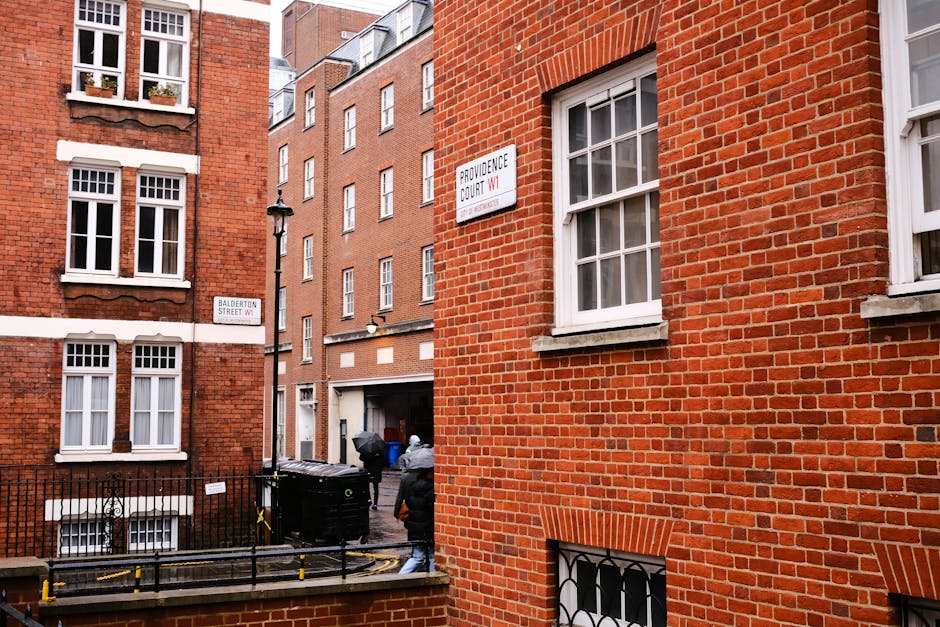
Urgent fly-tip removal service for Pimlico flats
Posted on 06/05/2026
Urgent fly-tip removal service for Pimlico flats: a practical local guide
Finding fly-tipped rubbish outside a Pimlico flat is the sort of thing that can ruin your morning in seconds. Bags left by the bins, broken furniture dumped in the shared entrance, a mattress leaning awkwardly against railings, or builders' waste abandoned in the courtyard - it all creates a mess, attracts more mess, and gets in the way of everyone trying to get on with their day. If you need an urgent fly-tip removal service for Pimlico flats, you usually need three things at once: speed, discretion, and proper disposal. Not a lecture. Not a delay. Just the problem gone.
This guide explains how urgent fly-tip clearance works, who it helps, what to check before booking, and how to avoid common mistakes. You'll also find practical steps for flat blocks, landlord situations, and shared access properties where a quick response matters more than ever. For broader context on the area, you may also find our local perspective on living in Pimlico useful, especially if you're dealing with the everyday realities of busy SW1 streets and compact residential blocks.

Why Urgent fly-tip removal service for Pimlico flats Matters
Fly-tipping is more than a visual nuisance. In a flat block, the impact spreads quickly. One dumped sofa or pile of mixed waste can narrow access, block bin storage areas, make communal spaces smell unpleasant, and create a front-of-house problem that residents, agents, and building managers have to deal with immediately. In a place like Pimlico, where a lot of homes are in managed buildings, terraces with shared access, or compact courtyard layouts, dumped waste can feel bigger than it looks.
Urgency matters because rubbish left outside a flat block tends to escalate. Rain soaks into cardboard and upholstery. Food waste attracts pests. Sharp items become a safety issue. Neighbours get frustrated. And if the waste is on private land, the responsibility for action may sit with the property owner, managing agent, or residents' association rather than the council. That's where a quick private clearance can be a sensible, practical answer.
There's also a reputational side to it. If you're a landlord preparing a flat for new tenants, or a seller trying to present the building well, fly-tipping can make the whole place feel neglected. To be fair, that first impression sticks. If you're already thinking about upkeep and presentation, our article on selling your property in Pimlico has useful context on how cleanliness and presentation affect the way a property is viewed.
Key point: urgent fly-tip removal is not just about tidying up. It's about restoring access, reducing risk, and getting a shared residential space back to normal without dragging the issue out for days.
How Urgent fly-tip removal service for Pimlico flats Works
The process is usually straightforward, but good operators make it even easier by keeping it calm and efficient. The first step is normally a brief description of the waste: what it is, how much there is, where it's located, and whether access is simple or awkward. A photo helps a lot. If the rubbish is tucked into a narrow rear passage or in a basement service area, mention that early. It saves time later, and nobody likes surprises when a team arrives with bags, gloves, and a van squeezed into a tight London street.
Once the details are clear, the service provider should confirm whether it can be collected immediately, the same day, or within an agreed urgent window. In flat settings, access matters as much as the waste itself. A rear gate, intercom, lift, shared driveway, or controlled parking bay can affect the timing. Good planning prevents the slightly awkward scene where two people are standing on opposite sides of a locked door wondering who was supposed to bring the key.
After arrival, the waste is assessed, sorted if needed, and removed carefully. Good practice means the crew should avoid dragging items through communal halls or leaving residue behind. If the waste includes furniture, appliances, mixed household rubbish, or bulky items, it may be handled alongside other services such as furniture removal in Pimlico, white goods and appliance disposal, or domestic waste collection in Pimlico. A broader overview of service types is available on the services overview page.
After collection, responsible disposal should follow. That usually means the waste is taken to an authorised transfer or treatment facility, with recyclable materials separated where possible. If you want to understand the approach in more detail, the company's recycling and sustainability page is worth a look.
Key Benefits and Practical Advantages
There are several reasons why fast fly-tip removal makes sense for flats, and the benefits are not just theoretical. You feel them in the building almost immediately.
- Faster restoration of access: communal routes, bin areas, and entrance spaces can be used properly again.
- Reduced nuisance and complaints: one unresolved dump often becomes a building-wide irritation by evening.
- Lower pest attraction: rubbish piles can draw insects, birds, and rodents if they sit too long.
- Better presentation: useful for landlords, agents, and owners trying to maintain the building's appearance.
- Safer shared spaces: you avoid hazards such as broken glass, needles, nails, or unstable stacked waste.
- Less stress: you hand the job to people who know what to look for and where to take it.
There's another practical upside. Urgent removal often stops the spread effect. In many flat blocks, once one pile of dumped waste sits for a day or two, other items mysteriously join it. A chair here, a broken mirror there. It becomes a magnet for more rubbish, which is mildly maddening, but very common.
If you are balancing this with other property maintenance tasks, our house clearance in Pimlico page can help if the fly-tipping is happening alongside internal clutter, end-of-tenancy waste, or a move-out.
Who This Is For and When It Makes Sense
This kind of service is not only for emergency-looking messes. It's a fit for a surprising range of people and situations.
- Flat owners: especially where rubbish is affecting entrances, courtyards, or bin stores.
- Landlords and letting agents: when a tenant has left items behind or external spaces need quick attention before viewings.
- Managing agents and block managers: when the communal area has been affected and the building needs rapid cleanup.
- Residents' associations: if a shared space has been targeted repeatedly and action is needed before it worsens.
- Commercial occupiers in mixed-use buildings: where the frontage, service yard, or shared alley is being affected.
Sometimes the trigger is obvious: a dumped mattress outside the bin room, or builder's rubble left after a weekend refurb. Sometimes it's less dramatic. A few black bags, a broken wardrobe door, and some packaging can still create a proper headache in a narrow Pimlico mews or courtyard. If the issue is building-related, the dedicated builders' waste removal in Pimlico page is a helpful match. If it leans more commercial, see commercial waste removal in Pimlico.
One thing to remember: if waste is on public land, the council route may be appropriate. If it's on private land, urgent private removal is often the fastest solution. That distinction saves a lot of back-and-forth. Honestly, it saves a lot of sighing too.
Step-by-Step Guidance
If you're handling fly-tipped waste around a Pimlico flat, a simple process keeps everything moving. No need to overcomplicate it.
- Identify the location and access route. Is the waste in the front forecourt, rear alley, bin store, or internal communal area?
- Take clear photos. A wide shot and a close-up help estimate volume and type.
- Separate what can stay and what must go. If there are items still needed by residents, move them aside or label them clearly.
- Note any hazards. Broken glass, sharps, heavy lifting, leaks, damp packaging, or signs of contamination should be flagged early.
- Ask for a clear quote and timing. Urgent work should still be explained properly.
- Confirm what happens on arrival. Will the team carry items from upstairs? Is parking needed? Is the lift in use?
- Check disposal expectations. A reputable provider should be able to explain how the waste will be handled.
- Keep a record. For landlords or block managers, a quick note and photo after clearance can be useful.
That record-keeping point may sound a bit dry, but it matters. If you later need to report recurring fly-tipping, recover costs, or brief a managing agent, having a clean timeline helps. It's the kind of small admin nobody enjoys, but future-you will be grateful.
Expert Tips for Better Results
There are a few practical habits that make urgent clearance smoother and cheaper in the long run.
- Send photos before the visit. It reduces guesswork and prevents a half-finished estimate.
- Be honest about access. If there are stairs, narrow halls, or a locked gate, say so. It's fine. Really.
- Group similar waste together. Mixed piles are harder to assess and can complicate sorting.
- Act before the pile spreads. Early removal is usually easier than clearing a larger, more mixed dump later.
- Look at the root cause. Is it a one-off from a neighbour? A recurring issue near bins? Bad contractor behaviour?
Another useful tip is to think about the building as a system. If fly-tipping keeps happening near the same bin enclosure, the issue may not just be the waste itself. It could be access control, signage, timing, or a missed collection window. For buildings trying to improve waste habits overall, the article on pay-as-you-throw programs and recycling rates offers a different angle on how waste behaviour changes when systems change.
And if your team is trying to present the building well for visitors or buyers, a quick look at the charms of Pimlico may sound unrelated, but it does help frame why tidiness matters in an area with such strong architectural character. The streets do their part. You want the frontage to do its part too.

Common Mistakes to Avoid
Urgent jobs invite rushed decisions. That's understandable. But a few avoidable mistakes can make the whole thing harder than it needs to be.
- Leaving the waste in place while waiting too long to book. A day can turn into a week very quickly.
- Assuming every provider handles the same waste types. Some items need specialist handling or advance notice.
- Forgetting about access restrictions. Parking controls and entry systems can derail an otherwise quick job.
- Choosing only on price. The cheapest quote is not always the best if it lacks proper disposal or clear service terms.
- Ignoring repeated dumping. If it keeps happening, the site may need a prevention plan, not just another collection.
- Mixing reusable items with general waste. Once mixed, some items are harder to separate or donate.
There's a specific mistake we see often in flat blocks: assuming someone else will sort it out because it happened "outside." In practice, the responsibility can sit with whoever controls the land. That might be the freeholder, managing agent, landlord, or resident group. It's one of those unglamorous ownership questions that surfaces right when nobody has time for it.
Tools, Resources and Recommendations
You do not need a lot of fancy equipment to manage a fly-tip problem well. In most cases, the useful tools are simple and practical.
- Phone camera: use it for clear photos before and after clearance.
- Access notes: parking restrictions, key codes, and gate instructions saved in one place.
- Gloves and basic protection: only if you need to move light items yourself, and only if it's safe to do so.
- Building contact list: agent, concierge, caretaker, and after-hours contact numbers.
- Waste classification notes: if the pile includes electricals, furniture, renovation waste, or garden material.
For residents wanting the right service type, it helps to compare broader waste options rather than guessing. The following pages are especially relevant depending on what's been dumped: pricing and quotes, insurance and safety, and waste carrier licence and compliance. Those three are the ones that quietly protect you from avoidable problems.
If you are comparing providers, also look for clarity on payment, booking, and data handling. A good site should make these basics easy to find. Our pages on payment and security, terms and conditions, and privacy policy are there for exactly that reason.
Law, Compliance, Standards, or Best Practice
When you are dealing with fly-tipped waste, compliance matters. Not in a scary, box-ticking way - just in the sense that waste must be collected and handled by someone who follows proper UK waste rules and accepted industry practice. That includes using a licensed waste carrier, keeping waste traceable, and ensuring it goes to an authorised facility.
You should be careful about who removes rubbish from a flat block. If someone offers a suspiciously cheap "man and van" service with no paperwork, no clear business details, and no mention of disposal routes, that's a red flag. If the waste later turns up somewhere illegal, you do not want your block or business name anywhere near it. Truth be told, this is where a little caution goes a long way.
Good practice usually includes:
- checking that the carrier is properly registered where required
- keeping records of collections and quotes
- making sure waste is not left obstructing communal access routes
- using safe lifting and handling methods for bulky items
- sorting recyclable materials where practical
If sustainability is part of your brief, the recycling and sustainability page explains the mindset behind separating reusable or recyclable materials from general waste. It's a sensible standard for flat clearances, not an optional extra.
For organisations with additional ethical procurement concerns, the company's modern slavery statement also adds a useful layer of transparency. That may not be the first thing on your mind when a bin store is full of dumped furniture, but it matters when you are choosing who you trust.
Options, Methods, or Comparison Table
Different situations call for different approaches. A single dumped bag outside a door is not the same as a full rear-court pile or a builder's skip spill. This comparison should help.
| Option | Best for | Pros | Limitations |
|---|---|---|---|
| Private urgent clearance | Fly-tips on private land, flat entrances, bin stores, courtyards | Fast, flexible, direct coordination, suitable for awkward access | Costs vary by volume, access, and item type |
| Council report route | Fly-tips on public land or pavements where the local authority is responsible | No need to arrange a private team if the council will handle it | Timing may be slower and outside your control |
| Bin-store tidy-up with mixed waste collection | Overflow issues, general rubbish buildup, post-tenancy waste | Useful when the problem is not strict fly-tipping but still urgent | May not suit hazardous or heavily contaminated items |
| Specialist bulky item removal | Mattresses, sofas, wardrobes, appliances | Efficient for large single items or small clusters | Not ideal if the waste pile is mixed and scattered |
If the dumped items are mainly domestic and not too mixed, domestic waste collection in Pimlico may be the simplest fit. If the issue is one very large item, the Eccleston Square mattress and sofa disposal guide shows how bulky pieces often need a more direct approach.
Case Study or Real-World Example
Imagine a small Pimlico block with a rear courtyard shared by eight flats. On a Monday morning, residents find a dumped sofa, two black bags, a broken chair, and some packaging left beside the bin enclosure. It is not huge, but it blocks the cleaner's access and makes the whole courtyard look tired. By lunchtime, one neighbour has added a loose box and a plant pot that should have gone elsewhere. Not ideal.
The managing agent photographs the waste, checks whether any items belong to residents, and books an urgent collection. Access is slightly awkward because the rear gate is narrow and the parking bay is time-limited. That detail matters. The team arrives with the right equipment, removes the items in one visit, sweeps up the loose debris, and takes everything away for proper disposal. The courtyard is back to normal before the evening rush.
What made the difference? Speed, good information, and a practical site briefing. Nothing magical. Just the right job done properly. If the block had waited a few more days, the pile would probably have grown, and the smell would have followed. That's the reality of shared spaces.
Practical Checklist
Use this quick checklist before you book an urgent clearance for a Pimlico flat.
- Take clear photos of the fly-tip from more than one angle.
- Note whether the waste is on private or public land.
- Record access details: gate codes, parking, stairs, lift use, and opening times.
- Identify any sharp, heavy, wet, or contaminated items.
- Confirm whether the waste includes furniture, appliances, builders' waste, or general rubbish.
- Check the provider's service area and availability.
- Ask how waste will be handled and whether recyclable items are separated.
- Review pricing information before authorising the job.
- Keep a short record for the landlord, agent, or building manager.
- Look at prevention measures if dumping has happened before.
If you need a fuller view of the business behind the service, the about us page is a good place to start. And for readers who like to understand their rights and website usage, the accessibility statement and cookie policy are available too.
Conclusion
Urgent fly-tip removal for Pimlico flats is one of those services you hope not to need, and then very much want when you do. The best outcome is simple: quick response, safe clearance, proper disposal, and no drama in the hallway. Whether you are a resident, landlord, agent, or block manager, the main thing is to act early and choose a provider that understands the realities of flat access, shared spaces, and London waste rules.
In a place like Pimlico, where buildings are close together and frontages matter, clearing dumped waste promptly does more than tidy a corner. It protects the building's day-to-day feel. And that really counts. A clear entrance, a clean bin store, and a courtyard that doesn't smell like a bad idea - those things make life easier for everyone.
Get a free quote today and see how much you can save.
If you are ready to move quickly, keep the photos handy, note the access details, and ask for a proper collection plan. A calm, well-organised response is usually the fastest one. And once the mess is gone, you can get back to your day without that nagging look over your shoulder.