Eccleston Square mattress and sofa disposal in Pimlico
Posted on 28/04/2026
Eccleston Square mattress and sofa disposal in Pimlico: a practical local guide
If you live near Eccleston Square and need to clear an old mattress or sofa, the job can feel bigger than it first looks. Stairwells are tight, parking is limited, and bulky furniture never seems to become lighter on the day you move it. This guide to Eccleston Square mattress and sofa disposal in Pimlico explains the smartest ways to get it done safely, legally, and with minimal disruption.
Whether you are replacing bedroom furniture, preparing a flat for letting, clearing a property after a move, or simply tired of a sagging sofa taking up space, the key is to choose a method that fits the building, the schedule, and the item itself. Done well, bulky item disposal becomes straightforward. Done badly, it becomes a nuisance for you and your neighbours.
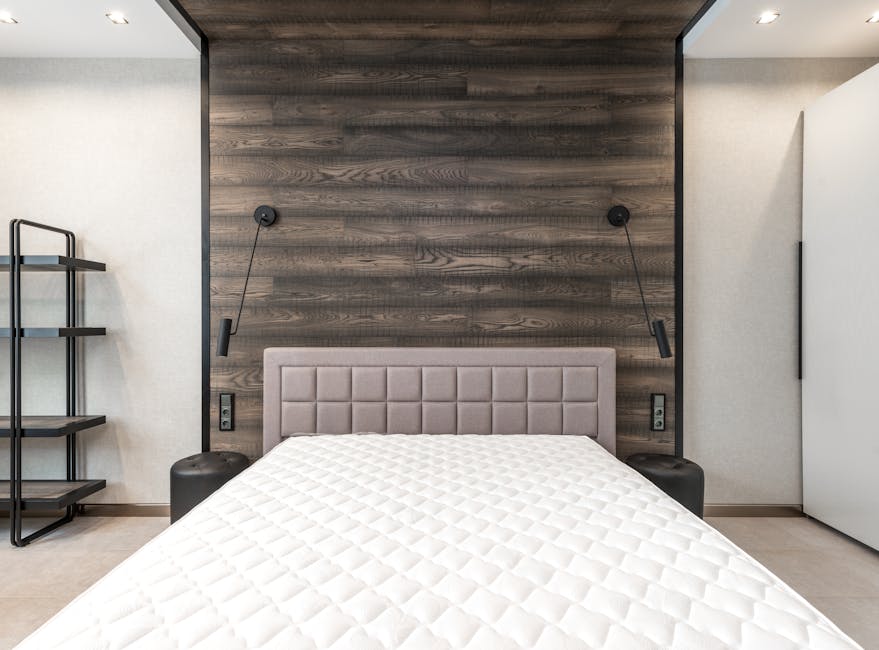
Why Eccleston Square mattress and sofa disposal in Pimlico Matters
Eccleston Square sits in a part of Pimlico where space is valuable, access can be awkward, and good neighbourly behaviour matters. A mattress left in a communal hallway or a sofa abandoned by the kerb does more than look untidy. It can obstruct access, attract complaints, create a fire risk, and make a building feel neglected.
Furniture disposal is also one of those jobs where the wrong assumption costs time. A double mattress, for example, may seem simple enough to carry out, but the reality is often different once you factor in a narrow staircase, a lift with a weight limit, or a corner that requires careful turning. Sofas are even trickier because they are bulky, awkwardly shaped, and often harder to separate into manageable parts.
That is why local experience matters. In central London settings like Pimlico, disposal is rarely just about "getting rid of" an item. It is about planning access, protecting common areas, choosing the right route for reuse or recycling, and making sure the collection does not create additional problems.
If you are also arranging other home changes at the same time, you may find it useful to coordinate disposal with replacement purchases or wider room refreshes. For instance, some residents line up furniture removal with a new delivery from a trusted flower delivery service when preparing a flat for guests or a tenancy handover. It sounds small, but these combined errands can save a lot of back-and-forth.
How Eccleston Square mattress and sofa disposal in Pimlico Works
In practical terms, mattress and sofa disposal usually follows one of a few routes: a local bulky waste collection, a licensed clearance service, a retail take-back arrangement, or donation/reuse if the item is in acceptable condition. The best method depends on the item's condition, the urgency, and how easy it is to move it out of the property.
The process tends to be fairly consistent:
- Identify the item type. A mattress, sofa bed, armchair, corner sofa, recliner, or chaise may each need different handling.
- Check access. Look at stairs, lifts, door widths, basement corridors, parking restrictions, and whether the item must be dismantled.
- Sort the item. Remove loose cushions, bedding, throws, and any detachable parts so the item can be moved safely.
- Choose the disposal route. Decide whether reuse, recycling, donation, or licensed removal is the best fit.
- Book or schedule the collection. Good planning reduces wasted journeys and building disruption.
- Prepare the pickup point. Keep the item accessible without blocking shared areas.
- Confirm responsible handling. Ask how the item will be taken away and where it will go next.
Mattresses are often recycled where facilities exist, with materials such as foam, fabric, metal springs, and wood separated where possible. Sofas can also be broken down into constituent materials, though the level of recovery depends on the item's construction and condition. A licensed disposal provider will usually be able to explain the general route without making promises they cannot verify.
For households and landlords who want a cleaner handover, it can be helpful to combine furniture removal with a broader domestic clear-out. Pages like domestic waste collection in Pimlico and furniture removal in Pimlico are useful starting points when the job is bigger than one mattress or sofa.
Key Benefits and Practical Advantages
Getting bulky furniture out of the way properly is about more than convenience. The benefits show up quickly, especially in apartment buildings and managed blocks where space is shared.
- Faster room turnaround: You can reclaim a bedroom, living room, or spare room without waiting for a council slot or struggling with a DIY carry-down.
- Lower risk of damage: Professional handling reduces the chance of scuffed walls, damaged banisters, or torn hallway finishes.
- Better hygiene: Old mattresses can hold dust, allergens, and general wear that you do not want lingering in a fresh space.
- Less neighbour friction: No one enjoys seeing a sofa parked outside the building for days.
- More responsible disposal: A good operator will sort for reuse, recycling, or lawful disposal rather than simply dumping the item.
- Peace of mind: You know the item has been removed by someone who understands access, lift etiquette, and local constraints.
There is also a psychological benefit that gets overlooked. A room feels different once the old sofa or tired mattress is gone. It is easier to clean, easier to decorate, and easier to sell or let. One bulky item can quietly dominate the entire room. Remove it, and suddenly the space behaves itself.
Who This Is For and When It Makes Sense
This kind of disposal is useful for a wide range of Pimlico residents and property users. The obvious examples are homeowners and tenants, but the real demand often comes from situations that are time-sensitive or logistically awkward.
- Tenants moving out: When the lease ends and the furniture has reached the end of its life.
- Landlords and letting agents: When a property needs to be reset quickly for photos, viewings, or new occupants.
- Homeowners refurbishing: When a new bed or sofa is arriving and the old one has to go first.
- Estate clearances: When a property contains multiple large items that must be handled with care.
- People with limited access: If you live above ground floor, carry bulky items through common areas, or cannot safely move them yourself.
- Offices and serviced apartments: When furniture needs to be replaced without disrupting the building or clients.
It usually makes sense to use a dedicated removal option if the item is heavy, too large for your vehicle, awkward to carry, or likely to cause damage if you try to move it alone. If you are already coordinating other household items, you may also want to review house clearance services in Pimlico so the whole job can be tackled in one visit.
Step-by-Step Guidance
Here is a practical way to approach the job without overcomplicating it.
- Measure the item and the route out. Check sofa length, mattress size, stair turns, door clearances, and lift dimensions. A quick measurement can prevent a lot of drama later.
- Decide whether dismantling helps. Some sofas can be separated into sections; some cannot. If you are unsure, avoid forcing it.
- Clear the surrounding space. Move lamps, side tables, rugs, and anything breakable before the item is shifted.
- Protect the route. Use blankets, corner guards, or simple coverings if the item will pass close to paintwork or glass.
- Sort any detachable parts. Remove legs, cushions, slipcovers, or bed bases where appropriate.
- Choose the disposal method. Decide between reuse, collection, or recycling based on condition and urgency.
- Arrange access instructions. Give clear notes on entry, buzzing in, parking, and whether the item is on an upper floor.
- Keep the item ready. Place it where it can be collected quickly without blocking shared corridors.
- Ask what happens next. A good provider should be able to explain whether the item will be reused, recycled, or disposed of responsibly.
- Confirm completion. Once removed, check that the area is left tidy and free of debris.
If you are preparing a flat for photographs or an inspection, timing matters. Mattress and sofa disposal is often best done before deep cleaning and before any decorative finishing touches. That way you are not cleaning around a piece of furniture twice.
Expert Tips for Better Results
Small decisions make a big difference in a place like Pimlico, where access and timing are often more important than brute force.
- Book around building rules: Some blocks prefer weekday access, limited-hour deliveries, or advance notice for bulky collections.
- Photograph the item first: This helps when describing condition, dimensions, and access needs.
- Remove bedding and soft items: Mattresses are easier to move when they are not bundled with extra clutter.
- Keep an eye on weather: If the item is waiting outside briefly, rain can make upholstery heavier and messier to handle.
- Ask about recycling routes: Reuse and material recovery are generally better outcomes than disposal alone.
- Plan for the return trip inside: Once the furniture is gone, you may want to clean skirting boards, check for dust, and inspect the floor.
One particularly useful habit is to treat disposal as part of a sequence, not a standalone task. For example, if you are also arranging a new setup, coordinate the collection with other household deliveries. Readers who like to keep things tidy and efficient often value reliable scheduling options such as same-day flower delivery or next-day flower delivery when setting up a new home or preparing a room for guests. Different service, same principle: timing keeps life calm.
Expert summary: The best disposal outcome is usually the one that fits the building, protects the property, and moves the item through the most responsible route available.
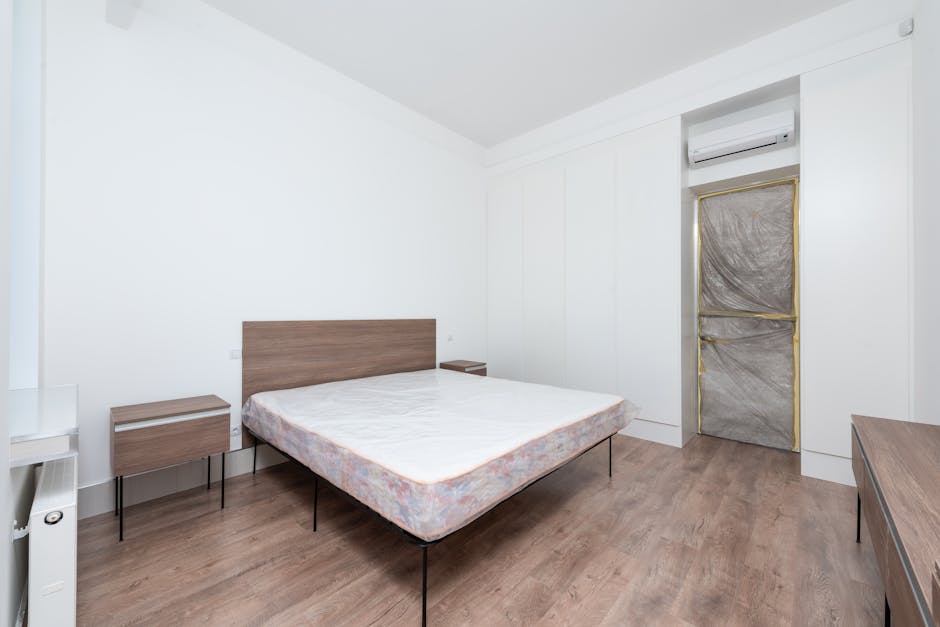
Common Mistakes to Avoid
A lot of disposal headaches are self-inflicted, usually because the item looks manageable until it reaches the first awkward turn.
- Leaving the item in a hallway: Even briefly, this can block access and create complaints.
- Assuming every sofa is one piece: Some are not. Forcing a sectional through a tight stairwell is rarely a good idea.
- Ignoring parking and access: In central London, a perfect plan can fall apart if the truck cannot stop safely.
- Forgetting mattress size: A king mattress behaves very differently from a single or small double.
- Using an unlicensed operator: This is a risk to you as well as the environment.
- Not checking building permissions: Concierge desks, estate managers, and neighbours may need notice.
- Trying to "save time" by abandoning the item outside: That is a false economy and can lead to penalties or complaints.
To be fair, most of these mistakes happen because people are rushing. If you are unsure, slow the process down by ten minutes and do the measurements properly. That one small delay usually pays for itself.
Tools, Resources and Recommendations
You do not need a van full of specialist kit to dispose of a mattress or sofa, but a few simple tools can make the job smoother and safer.
- Measuring tape: Essential for doorways, stairs, and lifts.
- Protective gloves: Useful for grip and general handling.
- Furniture blankets or old sheets: Helpful when shielding walls and corners.
- Basic hand tools: A screwdriver or Allen key may help with dismantling some sofa frames.
- Strong bags or boxes: Handy for loose cushions, feet, bolts, and bedding.
- Camera phone: Good for recording item condition and access points.
When you need trusted local support or want to understand the wider service picture, it can help to review provider information pages such as services overview, pricing and quotes, and waste carrier licence and compliance. Those pages help you judge how a company operates before you book.
If your disposal sits inside a wider refresh or move, it is also useful to understand how providers handle white goods and appliance disposal in Pimlico and commercial waste removal when dealing with mixed contents or multiple item types.
Law, Compliance, Standards, or Best Practice
For furniture disposal in the UK, the safest approach is to use a service that can handle waste lawfully and traceably. You do not need to become a legal expert, but you should be comfortable asking a few basic questions.
In normal practice, a responsible operator should:
- be able to explain how the item will be handled after collection;
- operate with appropriate waste carrier credentials where required;
- avoid fly-tipping or unsafe storage;
- protect communal areas and shared access points;
- handle items in line with local building and access rules.
If you are arranging disposal yourself, keep in mind that leaving bulky items in public areas without permission can cause problems. The safest route is always the one that does not create a nuisance or pass the risk onto someone else. That is especially true in mixed residential streets around Eccleston Square, where shared entrances and tight pavements are part of everyday life.
Best practice is also about data and service expectations. If you request a quote, ask what is included, whether labour and loading are covered, and whether there are any access-related surcharges. Clear answers are a good sign. Vague answers usually are not.
Options, Methods, or Comparison Table
Different disposal methods suit different situations. The right one depends on condition, speed, and how much effort you want to spend.
| Method | Best for | Pros | Watch-outs |
|---|---|---|---|
| Reuse or donation | Good-condition sofas or mattresses in suitable shape | More sustainable, potentially cheaper, helpful to others | Not every item is suitable; collection criteria may be strict |
| Retail take-back | When buying a replacement and the retailer offers removal | Convenient, coordinated with delivery | Usually depends on a new purchase and may have size rules |
| Local bulky waste service | Single items or standard household clear-outs | Simple and familiar for many residents | Availability and booking windows may be limited |
| Licensed clearance service | Urgent, awkward, or access-heavy removals | Flexible, efficient, suited to stairs and tight access | Cost varies by item size, loading time, and access |
If you are deciding between a council-style collection and a private removal, think about the real cost of your own time, the access challenges, and the risk of damage. A lower cash price is not always the better deal if it turns into a half-day job and a sore back.
Case Study or Real-World Example
Imagine a second-floor flat near Eccleston Square with one king mattress and a three-seat sofa to remove before a tenancy changeover. The staircase is narrow, the lift is small, and the building has a limited parking bay outside.
The first step is a proper access check. The sofa cannot be turned on the landing without risking the wall paint, so the cushions are removed first and the frame is measured against the stairwell. The mattress is easier, but it still needs careful handling because the corridor has a couple of sharp turns.
A sensible plan would be:
- clear the route the night before;
- book a collection window that avoids peak entry times;
- reserve or note any parking restrictions;
- take photos of the item and access points;
- confirm whether the sofa can be taken apart;
- have bedding and loose fittings bagged separately.
The result? The room is emptied in one visit, the landlord can arrange cleaning immediately, and the new furniture can arrive without fighting for space. That sort of tidy handover is exactly why local disposal planning pays off.
In a broader household refresh, people often combine this with replacement purchases or even occasion-led changes in the home. If the room is being redecorated for a celebration, a new arrangement from a local florist in Pinner or a quick browse of best flower delivery options can be a small finishing touch. Not essential to the disposal itself, of course, but a surprisingly common next step when a space finally feels ready again.
Practical Checklist
Use this before booking or carrying anything downstairs.
- Have you measured the mattress or sofa?
- Have you checked stair width, doorway width, and lift access?
- Do you know whether the item can be dismantled?
- Have you removed cushions, bedding, and loose parts?
- Are there parking or access restrictions near Eccleston Square?
- Have you chosen the most suitable disposal route?
- Do you know whether the item can be reused or recycled?
- Have you checked building rules or told the concierge if needed?
- Is the item ready at the agreed pickup point?
- Have you confirmed what happens after collection?
Quick takeaway: If you plan the route, manage access, and choose a responsible disposal method, mattress and sofa removal becomes a straightforward task rather than a stressful one.
Conclusion
Eccleston Square mattress and sofa disposal in Pimlico is one of those jobs that looks simple from the outside but benefits enormously from a careful, local approach. The right method saves time, protects your building, reduces hassle, and helps ensure the furniture goes through a sensible route rather than a careless one.
Whether you are clearing a single mattress, replacing a worn sofa, or preparing a flat for new occupants, the same principles apply: measure first, plan access, choose a lawful disposal route, and keep the process tidy from start to finish. That is how you turn a bulky-item headache into a clean, manageable task.
If you want the easiest path forward, focus on clear information, reliable timing, and a provider that understands both the item and the location.
Get a free quote today and see how much you can save.