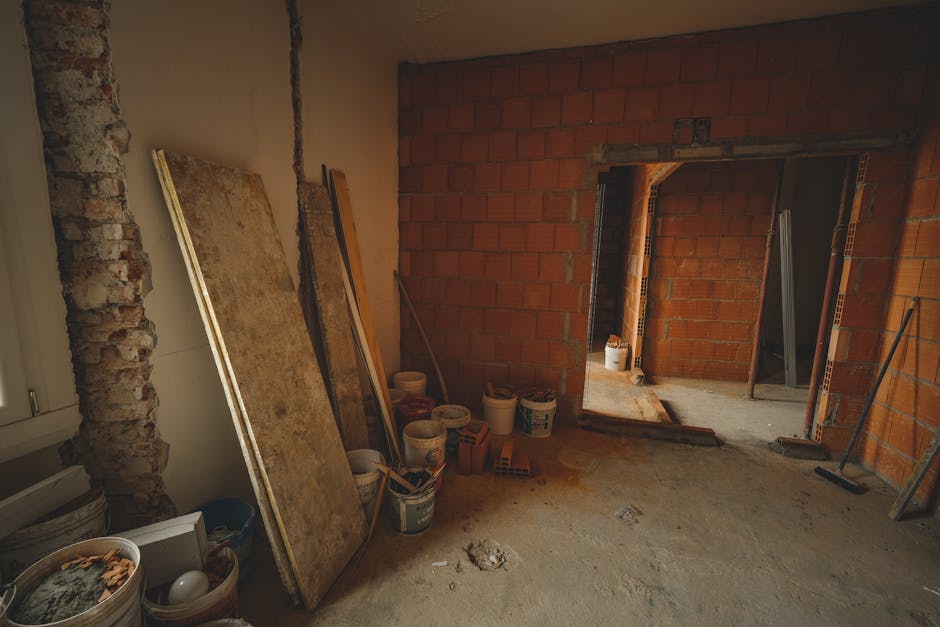
How much will clearing a Pimlico flat renovation cost?
Posted on 22/05/2026
If you are staring at a flat that has just come out of a renovation, the question usually lands very quickly: how much will clearing a Pimlico flat renovation cost? The honest answer is that it depends on the size of the flat, the amount and type of waste, how easy it is to access the property, and whether you need a same-day turnaround or a more flexible booking. In Pimlico, where many homes sit in period buildings, lower-ground flats, or managed blocks with tight access, the logistics can matter as much as the pile of rubbish itself. That is where costs move up or down.
This guide breaks the price picture down in plain English. You will see what affects the cost, what a sensible quote should include, how to avoid the usual headaches, and how to judge whether you need a simple builders waste removal service or a fuller flat clearance. If you are also comparing disposal options, it may help to look at the wider pricing and quotes guidance alongside this article.

Why How much will clearing a Pimlico flat renovation cost? Matters
Renovation clearance is one of those jobs that looks simple from a distance and then, five minutes in, becomes a bit of a puzzle. Old kitchen units, broken tiles, plasterboard offcuts, bathroom fittings, packaging, dust sheets, maybe a battered door or two - it all adds up quickly. In a Pimlico flat, the added challenge is often access: narrow stairwells, shared entrances, resident permits, lift restrictions, and neighbours who are not thrilled by noise at 7:30 in the morning. Fair enough, really.
Understanding the likely cost before you book helps you budget properly and avoid a nasty surprise at the end of the project. It also helps you choose the right service. A small clear-out after a cosmetic refresh is very different from removing full rip-outs after a bathroom and kitchen refurbishment. One might need a couple of strong loaders and a van. The other may need a planned, phased removal with careful sorting, lifting, and disposal.
There is another reason this matters in Pimlico specifically. Property value, rental timelines, and completion dates can move fast here. If a flat is being prepped for sale or tenancy, delays in waste removal can hold everything up. If you are in that position, a useful companion read is selling your property in Pimlico, because clearance timing often sits right in the middle of the move-out or handover process.
Practical takeaway: the cost is not just about the volume of waste. You are also paying for time, access, labour, loading efficiency, disposal route, and how complicated the job is on the day.
How How much will clearing a Pimlico flat renovation cost? Works
Most renovation clearance quotes are built around a few core inputs. The job is assessed by waste type, estimated load size, handling difficulty, and disposal requirements. That sounds technical, but in practice it is fairly straightforward.
1) Waste volume
The bigger the load, the higher the cost. A small bathroom rip-out may only need a modest collection. A full two-bed flat renovation can generate a surprisingly large amount of waste once you add old units, flooring, packaging, plasterboard, and broken fixtures. Loose material usually costs more than people expect because it takes up space fast.
2) Waste type
Not all renovation waste is handled the same way. Clean inert waste, mixed builders waste, bulky furniture, white goods, and itemised materials may each affect the quote differently. For example, if you are replacing a fridge, washing machine, or integrated appliance, a specialist disposal route may be needed. You can see how that is handled on the white goods and appliance disposal page.
3) Access and loading time
Pimlico flats often come with access realities that matter. Is there a lift? Can the van park close by? Are there stairs, shared hallways, or time restrictions? A ground-floor flat with easy loading is usually cheaper to clear than a fourth-floor flat with a tight staircase and no parking nearby. Truth be told, a clear path saves money almost every time.
4) Speed and scheduling
Same-day jobs or last-minute bookings can carry a premium. Planned collections are easier to price because the team can allocate the right vehicle and labour. If your builder is finishing on Friday and the keys go back Monday, you may want a tightly timed slot rather than a flexible one.
5) Sorting and recycling
A responsible clearance service will try to separate recyclable materials where possible. That may influence the cost, but it can also improve value because mixed waste that has to be handled carefully is not the same as a clean load of cardboard and timber offcuts. If sustainability matters to you, the company's recycling and sustainability approach is worth checking before you book.
In simple terms, a quote is usually the product of how much there is, how awkward it is to move, and what must happen to it afterwards. That is the whole game, really.
Key Benefits and Practical Advantages
People usually focus on price first, but renovation clearance has some very real advantages beyond cost. When it is handled well, it reduces stress, keeps the project moving, and avoids the half-finished, dusty, box-strewn look that can linger for days.
- Faster project completion: builders can work better when old materials are not cluttering the space.
- Safer movement around the flat: fewer trip hazards, fewer sharp edges, fewer awkward piles in hallways.
- Cleaner handover: especially useful if you are renting out or selling after the works.
- Less neighbour friction: a well-planned clearance is usually quieter and less disruptive.
- Better waste handling: you are more likely to get sorting, recycling, and disposal done properly.
There is also a small but important psychological benefit. A clear space feels like progress. Anyone who has lived through a renovation knows that stage where the room looks worse before it looks better. Bags, dust, scraps, and broken fittings can make the whole flat feel like a building site. Once it is cleared, the place starts breathing again.
If you are looking for a broader service picture, the services overview is useful because renovation waste sometimes overlaps with furniture removal, domestic collection, or even house clearance work if the property is being stripped back.
Who This Is For and When It Makes Sense
This kind of clearance is not only for major refurbishments. It suits a wide range of real-life situations, and in Pimlico those situations often happen in compact flats where space is precious.
- Homeowners finishing a kitchen, bathroom, or full flat renovation
- Landlords turning over a flat between tenancies after works
- Buyers who have just completed on a property and want the old debris gone
- Sellers preparing a flat for viewings after light refurbishment
- Trades and project managers needing a reliable builders waste removal partner
It makes sense when you do not want to manage multiple trips to a disposal site, when the waste is too bulky for standard bins, or when time is tight. It also makes sense if the waste includes mixed materials that are awkward to separate on your own. A lot of people start with the idea of "I'll do it myself at the weekend" and then, by Saturday afternoon, realise the sofa frame, tile bags, and bathroom suite are not going to move themselves. Familiar story.
For people looking after a larger property or dealing with a fuller clear-out after renovation, house clearance in Pimlico may be a better fit than a simple waste pickup. It depends on the scope.
Step-by-Step Guidance
If you want a realistic handle on cost, follow a simple process. It does not need to be fancy. Just accurate.
- List what is being removed. Write down the items and materials: cabinets, worktops, plasterboard, tiles, flooring, packaging, sanitaryware, doors, timber, and any appliances.
- Separate the obvious categories. Bulky items, builders waste, appliances, and recyclable materials may be treated differently.
- Estimate the load size. Think in van-load terms if you can. One small rip-out is very different from multiple rooms' worth of debris.
- Check the access. Note stairs, lift use, parking distance, and whether there are any building rules or time windows.
- Request a clear quote. Ask what is included: labour, loading, disposal, recycling, congestion-related time, and any minimum charges.
- Confirm the booking details. Date, arrival window, payment method, and what happens if the waste amount changes on the day.
- Prepare the space. Keep only the items going out, move valuable items safely aside, and make the route to the exit as open as possible.
A small tip from experience: take a few photos before you book. Not glamorous, but it helps a lot. A couple of clear pictures of the waste and access points can make the quote more accurate and reduce back-and-forth.
If the project is more on the trade side, the dedicated builders waste removal in Pimlico page is a useful reference because it reflects the sort of materials that typically come off a renovation site.
Expert Tips for Better Results
Here is where the difference between a smooth job and a messy one usually shows up. These are the details that save money, time, and a fair bit of frustration.
Be clear about mixed waste
If you have timber, plasterboard, broken ceramics, metal fittings, and packaging all together, say so. Mixed loads are normal, but vague descriptions can lead to awkward surprises. "Just a bit of stuff" is not a useful measurement. We all say it, then regret it.
Keep reusable items separate
If there are chairs, tables, or intact fixtures that could be reused, mention them separately. It may open up a better disposal route or even a furniture removal option if the items are in decent shape. See furniture removal in Pimlico for that kind of item-specific support.
Time the clearance after the heavy work is done
It sounds obvious, but some people book too early and then end up with more debris after the collection. Wait until the dirty part of the renovation has finished. Otherwise, you may pay twice.
Choose a provider that values compliance
Renovation waste is not the place to take risks with unlicensed operators or vague promises. It is worth checking the company's waste carrier licence and compliance information, because legitimate handling matters for both peace of mind and responsible disposal.
Ask how they treat recyclable material
Not every service will give you the same answer. Some are more structured about sorting and diversion from landfill than others. If that matters to you, ask directly, and if the answer is fuzzy, that tells you something.
Book with the building rules in mind
In Pimlico, a managed block may have loading windows or quiet-hour expectations. A good provider will work with that. If you live in a particular pocket of the area and want local context, the local perspective on living in Pimlico offers a helpful sense of how the area works day to day.
Common Mistakes to Avoid
Most budget blowouts happen because of avoidable errors, not because the job was impossible. A few common ones crop up again and again.
- Underestimating the volume: renovation debris expands fast, especially when flattened materials are not packed efficiently.
- Forgetting access challenges: stairs, parking distance, and narrow hallways can change the price.
- Mixing every material together blindly: this makes sorting harder and may affect disposal costs.
- Leaving the booking too late: last-minute requests can be more expensive and harder to fit in.
- Not checking what is included: some quotes are loading-only; others include disposal and recycling.
- Choosing on price alone: the cheapest option is not always the best if it is unclear, uninsured, or non-compliant.
One thing people often miss: a clearance team may also need to deal with awkward items that look small but are a pain to move, like broken wardrobes, underlay rolls, or a fridge freezer wedged in a tight corner. If you are dealing with those sorts of items after the renovation, the Eccleston Square mattress and sofa disposal guide gives a good feel for bulky-item logistics, even though the exact waste type may differ.
Tools, Resources and Recommendations
You do not need specialist equipment to prepare for a clearance, but a few simple tools make the process easier and the estimate more reliable.
- Phone camera: take wide shots and close-ups of the waste pile.
- Notebook or notes app: list the items and any hazardous or awkward materials.
- Measuring tape: useful for bulky objects or stacked materials.
- Bin bags and boxes: helpful for loose rubble, packaging, and small offcuts.
- Protective gloves: sensible if you are sorting through sharp edges or dusty materials.
On the decision side, a few web pages can help you think through the job properly before booking. The pricing and quotes page gives a broader view of how estimates are usually structured. The insurance and safety information is worth reading if you want reassurance about how a provider works on site. And if payments are on your mind - which they usually are, to be fair - the payment and security page is a sensible stop.
If you are comparing services for a mixed household project rather than a pure builders job, the broader domestic waste collection in Pimlico page may also be useful. Sometimes the job is part renovation, part general clear-out, and part "we have no idea why this is still here."
Law, Compliance, Standards, and Best Practice
Any renovation clearance should be approached with care around waste handling, access, and site safety. You do not need to become a compliance expert, but you should expect the service you hire to work in a responsible way.
In plain terms, good practice usually means:
- using an appropriately registered waste carrier;
- transporting waste safely and securely;
- sorting materials where practical for recycling or proper disposal;
- avoiding illegal dumping or unclear handoffs;
- respecting building access rules and neighbours;
- handling heavier or awkward items with proper care.
If you want to understand a company's approach in more detail, the pages on waste carrier compliance, insurance and safety, and about us are the right sort of places to look. They help build trust without the sales fluff.
It is also sensible to check the provider's public policy pages if you value transparency. A business that openly explains its terms and conditions and privacy policy usually feels more settled and organised, and that tends to matter when you are arranging work in a lived-in flat. Not exciting reading, granted, but useful.
Best-practice note: if any renovation waste includes sharp materials, plaster dust, or broken fixtures, make sure the collection is planned rather than rushed. Safety beats speed every time.
Options, Methods, or Comparison Table
There are a few ways to deal with renovation waste in Pimlico. The best option depends on your budget, time, access, and the type of debris involved.
| Option | Best for | Pros | Trade-offs |
|---|---|---|---|
| Professional flat renovation clearance | Mixed builders waste, bulky items, tight schedules | Fast, less effort, handled by a team, usually includes disposal | Usually costs more than self-managed disposal |
| DIY disposal with a vehicle | Small loads, flexible timing, people with transport and lifting help | Can seem cheaper upfront | Time-consuming, physically demanding, fuel and disposal costs add up |
| Phased clearance | Big renovation projects with waste arriving in stages | Spreads cost and keeps the flat manageable | Requires planning and more than one visit |
| Full house clearance-style service | Flats with renovation waste plus furniture, appliances, and general clutter | Convenient for bigger turnover jobs | May be more than you need if the job is limited to builders waste |
For many Pimlico flats, the sweet spot is a professional collection that is tailored to the waste type rather than a one-size-fits-all job. If you are uncertain, start with the scope and work backwards from that. It is the simplest way to avoid overpaying.
Case Study or Real-World Example
Here is a realistic example. A one-bedroom Pimlico flat has just had a small kitchen replaced and part of the flooring lifted. The waste includes old cabinet carcasses, a worktop, packaging, some broken tile boxes, underlay, and a few bagged offcuts. Access is through a shared stairwell, parking is close but not ideal, and the team needs to work around building quiet hours.
In that situation, the cost would usually be driven less by the raw amount of waste and more by the handling time and access. The load itself may not be huge, but careful carrying through a narrow communal entrance takes more effort than simply rolling up to a driveway. If there is also a fridge or washing machine to remove, the quote may rise a little more because appliances often need specific handling.
Now compare that with a two-bed flat where the renovation has included a full bathroom strip-out, kitchen rip-out, plasterboard removal, old furniture, and several heavy bags of mixed debris. That job is a different animal entirely. It may need a larger vehicle, more labour, and more disposal time. You can see how the answer to how much will clearing a Pimlico flat renovation cost? changes quite a bit based on the job profile.
Expert summary: the cheapest quote is not always the best value. The best quote is the one that matches your access, waste type, and timetable without hidden extras sneaking in later.
That is especially true in a place like Pimlico, where the physical layout of the building can be as important as the contents of the flat. A neat-looking pile can hide a surprisingly awkward job.
Practical Checklist
Use this checklist before you book the clearance.
- Make a simple list of all waste items and materials.
- Take photos of the waste pile from different angles.
- Note the number of floors, lift access, and stair width.
- Check whether parking is easy, limited, or likely to require extra planning.
- Separate any reusable furniture or appliances.
- Identify anything potentially awkward, sharp, or heavy.
- Ask whether the quote includes labour, loading, disposal, and recycling.
- Confirm the booking window and any building restrictions.
- Make sure the provider can explain compliance and insurance clearly.
- Keep the route to the waste as clear as possible on the day.
If you want one more practical angle, think about what else is happening around the flat. If the renovation is part of a move, or you are preparing to furnish the place again, you may need related support such as appliance disposal or even broader furniture removal. A joined-up plan usually costs less than a last-minute scramble. Usually.
Conclusion
So, how much will clearing a Pimlico flat renovation cost? There is no single neat answer, but there is a reliable way to think about it: price is shaped by waste volume, material type, access, labour, and how quickly you need the work done. In a compact and often access-sensitive area like Pimlico, those practical details matter more than people expect.
If you want the best value, prepare a clear brief, share photos, ask what is included, and choose a provider that handles waste responsibly. That alone can prevent most pricing surprises. And if you are also juggling a sale, a let, or a move, it is worth linking your clearance plan to the bigger property timeline so nothing gets left hanging around at the last minute.
It is one of those jobs that feels bigger until it is done. Then the flat looks lighter, calmer, and ready for the next chapter.
Get a free quote today and see how much you can save.