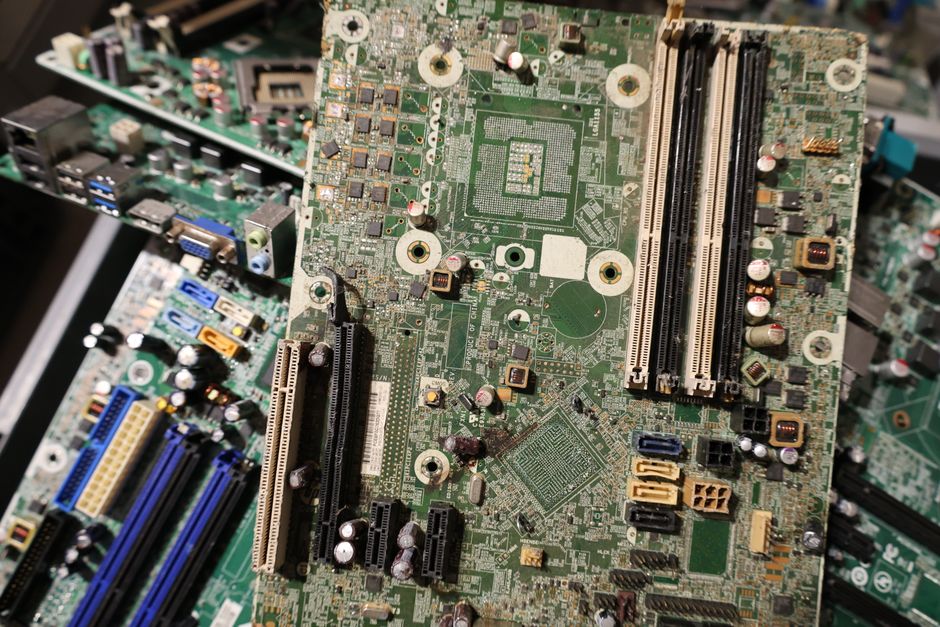
Avoiding fines in Pimlico: proper disposal of electrical waste
Posted on 04/07/2026
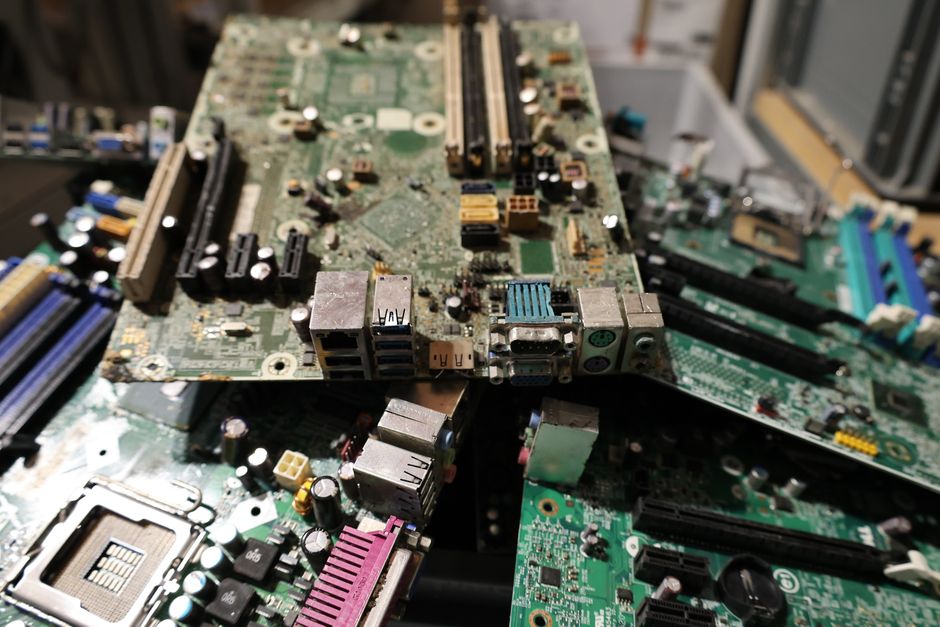
Old chargers in a kitchen drawer, a dead monitor by the hallway, a washing machine that gave up halfway through a spin cycle - electrical waste has a way of lingering. In Pimlico, though, the wrong disposal choice can quickly turn into a costly problem. Avoiding fines in Pimlico: proper disposal of electrical waste is really about three things: understanding what counts as WEEE, knowing what local rules expect, and using a disposal route that is traceable and responsible.
If you are clearing a flat, replacing appliances, managing a rental, or simply getting rid of a few broken gadgets, the safe route is usually simpler than people think. The tricky bit is the grey area: what can go in normal waste, what needs specialist handling, and how to make sure nothing ends up fly-tipped or mixed with general rubbish. Let's make that clear, practical, and yes, a bit less tedious than the paperwork usually feels.
Why Avoiding fines in Pimlico: proper disposal of electrical waste Matters
Electrical waste is not just another bit of clutter. It often contains components that need careful handling, and that is where the risk starts. A small item like a kettle or laptop charger may look harmless, but if it is dumped incorrectly, it can contribute to pollution, unsafe recycling, or illegal waste handling. In a dense area like Pimlico, where collections, storage space, and building access are all a bit tight, improper disposal also creates visible street mess very quickly.
The financial risk is what gets most people's attention. Fines, disposal charges, and avoidable call-out costs can stack up if waste is left out improperly or handed to the wrong collector. And to be fair, it often happens through confusion rather than bad intent. Someone clears out a cupboard, leaves items by the bin, assumes "someone will take it," and that's the start of a headache.
There is also the reputational side. Landlords, managing agents, shop owners, and even homeowners can end up dealing with complaints if electrical items are left in communal areas or on pavements. In a place like Pimlico, where many homes sit in shared entrances or mansion blocks, one abandoned TV can become everyone's problem by tea time.
Practical takeaway: if an item plugs in, charges, powers on, cools, heats, or runs on a battery, treat it as electrical waste until you've checked its disposal route.
How Avoiding fines in Pimlico: proper disposal of electrical waste Works
The basic process is straightforward once you strip away the jargon. Electrical waste is usually handled as WEEE, which stands for waste electrical and electronic equipment. That category covers everything from small gadgets to larger domestic appliances. The key point is that these items should not be treated like ordinary household rubbish.
For residents and businesses in Pimlico, proper disposal usually means one of a few routes: re-use, specialist collection, authorised recycling, or a waste removal service that can separate electrical items for compliant handling. The best route depends on the item type, condition, quantity, and whether the waste came from a home, flat clearance, office, or refurbishment job.
A sensible process tends to look like this:
- Identify the item and whether it is electrical or battery-powered.
- Check whether it is reusable, repairable, or still safe enough to pass on.
- Remove personal data from devices before disposal.
- Separate items from general waste, food waste, rubble, and garden waste.
- Use a collection or drop-off route that can lawfully receive electrical waste.
- Keep records where you are disposing on behalf of a business, landlord portfolio, or managed property.
For mixed clearances, it helps to think in layers. For example, a flat renovation might involve a broken microwave, old desk lamps, a router, a TV, and a freezer. Those all need different handling from plasterboard, timber, or furniture. That's exactly why services that understand broader clearance categories can be useful; a general overview like the service overview helps you see how different waste types are separated in practice.
Key Benefits and Practical Advantages
The obvious benefit is avoiding penalties or awkward complaints. But there are other gains too, and some are more practical than people expect.
- Lower risk of enforcement issues: sensible disposal means you are much less likely to attract attention for abandoned or mishandled items.
- Cleaner communal spaces: halls, front steps, basements, and bin stores stay usable.
- Better recycling outcomes: many components can be recovered when items are handled properly.
- Less stress during clearances: you are not improvising on the day with half-working appliances and nowhere to put them.
- Improved tenant and neighbour relations: especially relevant in mansion blocks and shared buildings.
- Safer handling: damaged batteries, cracked screens, and frayed cables can be risks if left loose.
There is also a real time-saving benefit. Once you know your method, electrical waste stops being a separate emergency and becomes just another step in the wider clearance plan. That matters when you are juggling keys, access slots, loading space, and the usual London "it'll be five minutes" traffic that never quite is.
If you are already comparing broader waste routes, a page like pricing and quotes can help you think in terms of overall value rather than just the sticker price. Sometimes the cheapest option is the one that creates the most hassle later. Not a great bargain, that.
Who This Is For and When It Makes Sense
This topic matters to a surprisingly wide group of people in Pimlico. It is not just for people throwing away an old telly.
- Homeowners replacing appliances, televisions, or computers.
- Renters dealing with a broken kettle, fan heater, printer, or small device at the end of a tenancy.
- Landlords clearing leftover electronics after a move-out.
- Estate agents and letting managers needing clean, presentable handovers.
- Offices and small businesses disposing of monitors, keyboards, phones, and office equipment.
- Builders and renovators removing integrated appliances or old fixed electrical items during works.
It makes particular sense to plan ahead if you are doing a bigger project. A flat clearance, kitchen update, or end-of-tenancy turnaround often exposes more electrical waste than expected. One minute it is a single broken toaster; next minute there are six old chargers, two lamps, a sound system, and an office shredder sitting in the corner looking offended.
For households with larger mixed clearances, domestic waste collection in Pimlico can be useful when electricals are only one part of the load. And if you are dealing with a fuller property clear-out, house clearance support may be the more practical route.
Step-by-Step Guidance
If you want the simplest possible route, use this sequence. It is not glamorous, but it works.
- Sort everything first. Separate electricals from furniture, textiles, general rubbish, and building waste.
- Check the item type. Batteries, cables, screens, fridges, freezers, and computers may need different handling.
- Remove personal data. Wipe phones, tablets, laptops, smart devices, and storage equipment before passing them on.
- Inspect for safety. Tape loose wires if needed, avoid stacking damaged batteries, and do not mix liquids with electronics.
- Choose your disposal route. Re-use, donation, take-back schemes, authorised recycling, or a licensed clearance provider.
- Confirm acceptance. If you are arranging a collection, check whether the provider will take your item type and quantity.
- Keep a note of what left the property. This is especially useful for landlords, agents, and businesses.
A small but important detail: if you are disposing of several items from a flat or office, do not leave the electricals out on the pavement "for a bit." In a busy street, that can go from temporary to problematic very quickly. Rain, passers-by, and opportunistic fly-tipping all have a habit of getting involved.
Where access is awkward or the volume is high, a dedicated collection service can be less stressful than piecing together multiple drop-offs. For example, the specialist page on white goods and appliance disposal in Pimlico is relevant when your electrical waste includes larger domestic appliances.
Expert Tips for Better Results
These are the little things that make the process smoother. You do not need to be an expert to use them, thankfully.
- Bundle by category, not by convenience. Keep small electronics separate from large appliances and from loose batteries.
- Photograph the load before collection. Helpful if you need a quote, especially for mixed clearances.
- Ask about recycling treatment. Good operators can explain what happens to your waste in plain English.
- Check building access early. Narrow stairwells and no-lift blocks can change the price and timing.
- Plan around residents and neighbours. Early morning hallway dragging, no matter how careful, tends to make everyone grumpy.
- Use separate bags or boxes for small items. It reduces breakage and makes sorting easier later.
One more thing: if the job is part of a larger renovation or landlord turnover, combine the electrical waste plan with the rest of the clearance. That usually saves time and avoids duplicate visits. It is often easier to manage one clean removal than three half-finished ones.
If you want a better sense of what a professional, compliant provider should be able to explain, the page on waste carrier licence and compliance is a sensible place to look. Compliance should never feel like a mystery.
Common Mistakes to Avoid
This is where people get caught out. Usually it is not dramatic; it is just one wrong assumption after another.
- Putting electricals in general rubbish: this is the big one.
- Leaving items beside communal bins: if it is not collected, it becomes abandoned waste.
- Mixing batteries with loose metal or cardboard: damaged batteries can be risky.
- Handing waste to an unverified collector: if the waste is dumped elsewhere, the chain of responsibility can come back to you.
- Forgetting data security: devices can hold personal or business information long after they stop working.
- Assuming all electronics are accepted everywhere: some items need special preparation or separate handling.
Another common slip is underestimating how many electrical items are hiding in a property. People remember the television and forget the freezer thermostat, the extension lead under the sofa, or the two old desktops in a cupboard. Then the collection arrives and everyone does the same slightly embarrassed look. Happens all the time.
If you are clearing an entire flat or inherited property, furniture removal in Pimlico can be a useful companion service, because electrical items often sit alongside bulky household waste rather than replacing it.
Tools, Resources and Recommendations
You do not need special equipment for most domestic electrical waste, but a few simple tools help.
- Labels or marker pen: mark broken, reusable, or battery-containing items.
- Boxes or crates: useful for cables, chargers, small gadgets, and accessories.
- Phone camera: ideal for taking a quick inventory before disposal.
- Screwdriver or battery tool: for removing batteries where the item is designed to allow safe removal.
- Basic checklist: keeps you from forgetting hidden items in cupboards, drawers, or lofts.
In terms of service choice, look for clear communication, proper identification of waste streams, and a straightforward explanation of what happens next. The best providers are usually the boring ones in the good sense: no drama, no vague promises, just a clear process.
For readers wanting broader reassurance about how a provider handles safety, service, and practical safeguards, insurance and safety information is worth a look. It is not the flashy part of waste removal, but it is one of the parts that matters most when things get awkward on a narrow staircase.
And if you are comparing the bigger picture of responsible handling, recycling and sustainability is the right kind of background reading for anyone who wants disposal to be cleaner, not just quicker.
Law, Compliance, Standards, or Best Practice
Without straying into legal advice, the practical rule is simple: electrical waste should be handled as a controlled waste stream, not dumped, burned, or mixed casually with ordinary rubbish. In the UK, businesses in particular need to be careful about duty of care, record-keeping, and using authorised carriers. Households also need to avoid improper disposal, because the consequences can still be expensive and inconvenient.
Best practice usually includes:
- using a reputable waste carrier;
- separating electrical items from general waste;
- keeping transfer records where appropriate;
- following any special instructions for batteries, fridges, freezers, and data-bearing devices;
- not leaving items in communal or public spaces unless they are scheduled for lawful collection.
If you manage a rental, office, or commercial unit, this becomes even more important. A business should be able to show it acted responsibly if waste is questioned later. That is one reason many local operators provide documentation and clear process notes rather than just a hand-wave and a van. If your organisation needs broader support, commercial waste removal in Pimlico may be the more suitable route.
For people dealing with building work, remember that electrical waste from refurbishment is not the same as builders' rubble. A removed extractor hood, old under-counter fridge, or broken lighting unit needs to be treated differently from tile fragments or timber. If your project also involves renovation debris, builders waste removal in Pimlico can help keep the streams separate.
If you are interested in how a responsible company frames its wider obligations, about the company is a useful trust page to review, and for payment confidence, payment and security is worth checking too.
Options, Methods, or Comparison Table
Different disposal methods suit different situations. The table below gives a plain-English comparison.
| Method | Best for | Pros | Watch out for |
|---|---|---|---|
| Re-use or donation | Working items in decent condition | Lowest waste, potentially fastest if accepted | Not suitable for damaged, unsafe, or data-containing items |
| Drop-off recycling | Small volumes of household electricals | Usually straightforward, good for sorting | Transport and timing can be inconvenient |
| Specialist collection | Mixed electrical waste or bulky appliances | Convenient, better for flat clearances and access issues | Costs vary, and you need a trusted provider |
| Mixed clearance service | Electricals plus furniture, general clutter, or renovation waste | Good for larger jobs and one-visit removals | Needs proper sorting to avoid mistakes |
In practice, the best method is the one that fits the size of the job and the access you have. A single laptop is one thing. A second-floor flat with a dead fridge and no lift is another story altogether.
For landlords and agents comparing wider clearances, bulky item pickup options for Pimlico landlords can be especially relevant when electrical waste sits alongside sofas, beds, and other large items.
Case Study or Real-World Example
Here's a realistic Pimlico-style scenario. A one-bedroom flat is being turned over between tenancies. In the hallway there is an old microwave, a desktop monitor, a small fan heater, a broken kettle, a router, and a pile of cables that nobody remembers buying. In the kitchen, there is also a freestanding fridge that still hums but no longer cools properly.
The first instinct might be to put the smaller things in a general rubbish sack and deal with the fridge later. That is where people get into trouble. Instead, the cleaner route is to separate the items, remove the visible personal data from the router or any connected device, and book a collection that can take both small electricals and the fridge as part of one managed visit.
The result is usually less stressful than expected: no items left on the pavement, no unclear responsibility, and no need for multiple lift journeys in and out of the building. The landlord gets a tidier handover, the tenant move-out stays smooth, and the property can be re-let without the lingering smell of old appliance dust - which, let's be honest, is a very specific kind of smell nobody enjoys.
If the job has time pressure, a local urgent clearance route can be helpful. For awkward same-day situations, the page on urgent fly-tipping removal for Pimlico flats is relevant in the sense that speed and proper handling often go together when waste has already become a problem.
Practical Checklist
Use this quick checklist before any electrical waste leaves your property.
- Have I separated electrical items from general rubbish?
- Have I checked for batteries, plugs, loose wires, or cracked screens?
- Have I removed personal data from phones, laptops, tablets, and smart devices?
- Have I grouped similar items together for easier handling?
- Do I know whether any item needs special treatment, such as a fridge or freezer?
- Have I confirmed the collector or drop-off point can accept the items I have?
- Have I kept a note or photo record of what was removed?
- Is the waste going directly to a lawful destination, not sitting in a communal area?
If you can tick most of those boxes, you are already well ahead of the average last-minute clearance job. Honestly, that's half the battle.
Get a free quote today and see how much you can save.
Conclusion
Avoiding fines in Pimlico: proper disposal of electrical waste is really about staying organised, staying cautious, and not leaving anything to guesswork. Once you know what counts as electrical waste, how it should be separated, and which disposal route fits your situation, the whole process becomes much easier. You also protect yourself from the messy side effects that come with poor handling: complaints, delays, and the sort of avoidable costs that always seem more annoying than the waste itself.
For a household, that might mean one careful collection. For a landlord or business, it might mean a repeatable system that keeps records tidy and properties clear. Either way, the principle stays the same: deal with electrical waste properly, and the rest of the clearance feels lighter.
And in a place like Pimlico, where space is at a premium and neighbours notice everything, that calm, tidy approach goes a long way. One good decision now can save you a lot of bother later. That's the whole trick, really.